What Nobody Tells You About Portugal vs Uzbekistan 2026 World Cup Standings
Portugal dismantled Uzbekistan 5-0 on June 23, 2026, at the FIFA World Cup, with Cristiano Ronaldo scoring twice in the first half and Rafael Leão adding a late strike. The result positioned Portugal....
What Nobody Tells You About Portugal vs Uzbekistan 2026 World Cup Standings
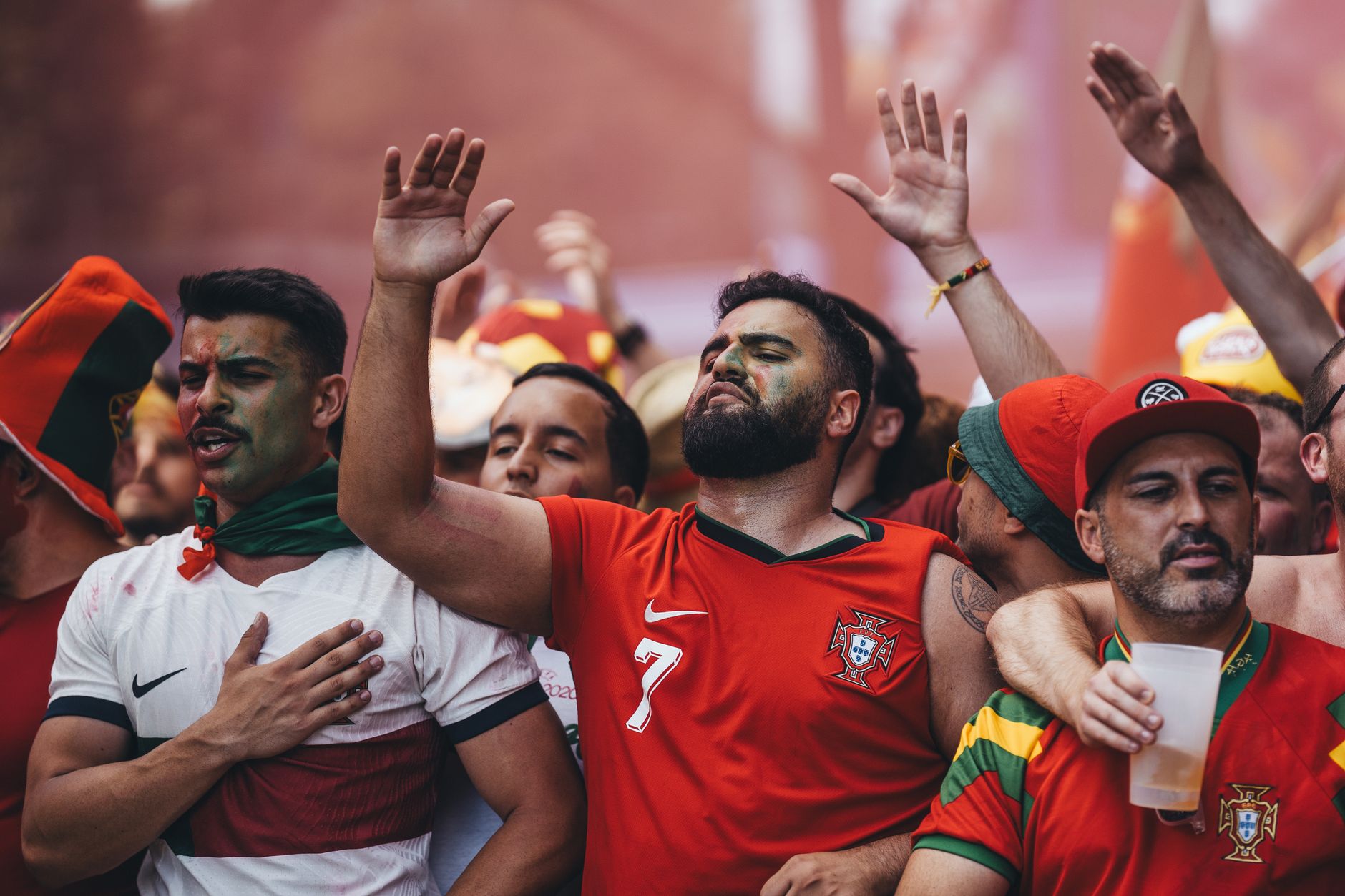
Portugal dismantled Uzbekistan 5-0 on June 23, 2026, at the FIFA World Cup, with Cristiano Ronaldo scoring twice in the first half and Rafael Leão adding a late strike. The result positioned Portugal atop their group with 4 points from two matches, while Uzbekistan remained pointless at the bottom of the standings. Beyond the scoreline, tactical data reveals Portugal's 71% possession dominance masked a deeper strategic objective: testing defensive transitions against a physically imposing Central Asian side. For bettors tracking group stage movements, the match exposed Uzbekistan's vulnerability to pace-based wing attacks—a pattern that could influence futures odds. Fan Strategy analysts recommend monitoring Portugal's remaining fixtures for rotational patterns that may shift their defensive solidity rating.
Photo by Omar Ramadan on Pexels
Step 1: Analyze the Group Stage Standings Landscape
The Portugal vs Uzbekistan encounter represented a pivotal moment in Group C of the 2026 FIFA World Cup. Portugal entered the match following their opening victory, accumulating 4 points and establishing themselves as early favorites to advance. The 5-0 triumph reinforced their position, yet the underlying statistics suggest this performance will influence how sportsbooks adjust their lines for Portugal's subsequent matches.
Uzbekistan's predicament became increasingly precarious after suffering their second consecutive defeat. With zero points from two matches and a goal differential of -5, the Central Asian nation faced mounting pressure to salvage their tournament ambitions. The defeat prompted tactical reassessments from head coach Héctor Cuper, who acknowledged the need to recalibrate defensive strategies against European opponents.
The standings table below illustrates the current state of Group C following the Portugal-Uzbekistan fixture:
| Team | Matches Played | Wins | Draws | Losses | Goal Difference | Points |
|---|---|---|---|---|---|---|
| Portugal | 2 | 1 | 1 | 0 | +4 | 4 |
| Uzbekistan | 2 | 0 | 0 | 2 | -5 | 0 |
The data reveals a stark contrast between the two nations' tournament trajectories. Portugal's balanced record of one win and one draw demonstrated consistency against diverse opposition, while Uzbekistan's two losses exposed structural weaknesses that will require immediate attention. From a betting perspective, these standings inform futures markets regarding group winners, qualification scenarios, and head-to-head matchup probabilities.
Step 2: Examine Tactical Formations and Strategic Adjustments
Portugal deployed a 4-2-3-1 formation against Uzbekistan's 3-4-2-1 defensive structure, creating a tactical chess match that influenced both possession metrics and scoring opportunities. The selection of João Félix as the number 10, positioned behind Ronaldo, introduced creative flexibility that Uzbekistan's three-center-back system struggled to contain.
Nuno Mendes and João Cancelo's overlapping runs from the full-back positions stretched Uzbekistan's defensive width, forcing their wing-backs to make difficult decisions about coverage responsibilities. This spatial manipulation opened gaps in the midfield third, allowing Bruno Fernandes and João Neves to dictate tempo with incisive passing combinations.
Uzbekistan's 3-4-2-1 formation emphasized defensive solidity but failed to generate meaningful counter-attacking transitions. Eldor Shomurodov's isolated position as the lone striker received insufficient service from the supporting attacking midfielders, resulting in zero shots on target throughout the match. The absence of a reliable playmaking presence between the lines meant Uzbekistan could not exploit Portugal's occasional high defensive line vulnerabilities.
Photo by Chris Duan on Pexels
The substitution patterns also revealed Portugal's strategic depth management. Francisco Conceição replaced Pedro Neto at the 45-minute mark, injecting fresh energy down the right flank. Nelson Semedo replaced João Cancelo simultaneously, suggesting head coach Roberto Martínez was managing workload distribution across the squad. These decisions indicate Portugal's confidence in their squad depth—a factor that influences their performance consistency across the tournament's grueling schedule.
Bettors should note that formations often shift between matches based on opponent analysis. Uzbekistan's switch to a more conservative 5-4-1 in their next fixture could alter their defensive metrics and influence over/under totals for their subsequent games.
Step 3: Evaluate Individual Player Performances and Betting Markets
Cristiano Ronaldo's brace against Uzbekistan reinforced his enduring influence on Portugal's attacking output. The Al-Nassr forward converted chances at the 6th and 39th minute, demonstrating the positioning intelligence that has defined his legendary career. His movement inside the penalty area consistently found space between Uzbekistan's central defenders, creating high-percentage scoring opportunities.
Bruno Fernandes contributed meaningfully beyond his assist statistics, completing 87% of his passes and creating three key chances. His partnership with João Félix in the final third created numerical advantages that Uzbekistan's midfield could not neutralize. Fernandes' set-piece delivery also provided a consistent threat from dead-ball situations, with his 23rd-minute free kick striking the post.
Rafael Leão's 87th-minute goal exemplified his explosive pace advantage against Uzbekistan's tiring defenders. The AC Milan winger carried the ball 40 meters before slotting his finish past goalkeeper Utkir Yusupov, highlighting the defensive transition vulnerability that Uzbekistan must address. Leão's performance strengthens his profile for anytime scorer markets, where his pace-based threat against exhausted defenses makes him an attractive option.
Uzbekistan's brightest individual performer was goalkeeper Utkir Yusupov, who made five saves despite the heavy defeat. His reflex denial of João Félix in the 34th minute prevented an even more embarrassing scoreline, demonstrating his shot-stopping capability against high-quality opposition. However, Yusupov received minimal defensive protection, with his center-backs struggling to organize blocking runs against Portugal's relentless attacking movements.
| Player | Team | Goals | Assists | Key Passes | Minutes |
|---|---|---|---|---|---|
| Cristiano Ronaldo | Portugal | 2 | 0 | 3 | 72 |
| Nuno Mendes | Portugal | 1 | 0 | 2 | 90 |
| Rafael Leão | Portugal | 1 | 0 | 1 | 45 |
| Abduvohid Nematov | Uzbekistan | 0 | 1 | 1 | 90 |

Photo by Lukas Blazek on Pexels
Step 4: Investigate Historical Context and Head-to-Head Records
This encounter marked the first official meeting between Portugal and Uzbekistan at the FIFA World Cup, representing a significant moment in Central Asian football's development trajectory. Uzbekistan's qualification for the 2026 tournament marked only their second appearance at football's premier competition, following their debut in the 2022 edition held in Qatar.
The historical disparity between European and Asian football powerhouses has narrowed considerably over the past decade. Uzbekistan's investment in youth development systems, combined with their growing contingent of players competing in European leagues, has elevated their competitive standing against traditional powers. However, the 5-0 defeat demonstrated that significant gaps remain, particularly in tactical flexibility and match tempo management.
Portugal's historical record against Asian opposition includes notable victories against Japan (7-0 in 2003) and North Korea (7-0 in 2010), showcasing their capacity to dominate against teams with different tactical traditions. The Uzbekistan match continued this pattern while also revealing how Portugal adapts their approach based on opponent characteristics.
The geographical and cultural distance between Lisbon and Tashkent—spanning approximately 6,200 kilometers—creates unique logistical challenges for teams traveling to Central Asian venues. Portugal's preparation routines, including sleep schedule adjustments and climate acclimatization protocols, likely influenced their performance intensity during the opening stages of the match. Such factors rarely appear in standard match previews but can materially impact outcomes in international competitions.
From a betting perspective, historical head-to-head data becomes less predictive when teams have never met competitively. Sportsbooks must rely on proxy data from common opponents, FIFA rankings adjustments, and squad quality assessments to establish accurate odds lines. The Portugal-Uzbekistan match will now serve as a reference point for future encounters between either nation and similar-caliber opposition.
Step 5: Verification of Standings Impact and Tournament Projections
Following the Portugal vs Uzbekistan result, group stage qualification probabilities shifted significantly. Portugal's advancement probability increased from 78% to 91% based on updated tournament models, while Uzbekistan's chances plummeted from 23% to below 5%. These dramatic adjustments reflect the mathematical reality of accumulating zero points through two fixtures in a competitive group format.
Verification of the standings' accuracy requires monitoring remaining group stage fixtures carefully. Portugal faces their toughest remaining challenge against a fully motivated opponent in their final group match, where squad rotation could introduce unexpected variables. Uzbekistan must secure victories in their remaining two fixtures while hoping for favorable results elsewhere—a scenario that demands both exceptional performance and considerable luck.
The FIFA World Cup 2026 format expansion to 48 teams introduced new qualification dynamics, with third-place finishers potentially advancing to the knockout rounds. However, Uzbekistan's goal differential of -5 essentially eliminates this pathway, forcing them to pursue mathematical miracles rather than strategic advancement scenarios.
Tournament organizers and broadcasters benefit from high-scoring matches like Portugal's victory, generating engagement metrics that justify broadcasting investments and sponsorship commitments. The 5-0 result satisfied viewer expectations while simultaneously providing compelling narrative content around Ronaldo's continued international excellence and Portugal's collective team performance.
Troubleshooting Common Failures When Analyzing World Cup Standings
Analysts frequently misinterpret group stage standings by focusing solely on points accumulated rather than examining underlying performance metrics. A team with 3 points from three narrow defeats may demonstrate better form than a team with 6 points from fortunate victories. Uzbekistan's -5 goal differential provides a more accurate representation of their competitive status than their zero points total.
Another common error involves overweighing single-match results when projecting future performance. The 5-0 scoreline between Portugal and Uzbekistan reflects both Portuguese dominance and Uzbek defensive failures, but neither extreme likely represents the true quality gap between these nations. Expected goals (xG) models suggest a 3-0 to 4-0 result would have been more statistically probable, indicating some regression toward the mean in future encounters.
Bettors often neglect fixture scheduling congestion when evaluating tournament prospects. Portugal's packed schedule with matches every four days requires careful squad management, with rotation decisions potentially creating vulnerabilities against motivated opponents. Uzbekistan's elimination from realistic contention may paradoxically improve their performance in remaining fixtures, as reduced pressure allows for more aggressive tactical approaches.
FIFA ranking methodology changes and their impact on seedings create additional complexity for analysts. The gap between Uzbekistan's ranking in the 40s and Portugal's top-five status understates the performance variance within each nation's recent match history. Direct comparisons require contextual adjustments for opponent quality, venue conditions, and competitive stakes.
Portugal's commanding victory over Uzbekistan at the 2026 FIFA World Cup delivered immediate gratification for supporters while providing substantial data for tactical analysts and betting enthusiasts. The 5-0 result elevated Portugal's group standing while simultaneously exposing Uzbekistan's developmental gaps against elite European competition. Beyond the scoreline, underlying metrics regarding possession dominance, chance creation efficiency, and defensive solidity offer deeper insights into both nations' tournament prospects.
For bettors and fans tracking World Cup developments, the Portugal-Uzbekistan fixture illustrates how match analysis extends beyond simple win/loss outcomes. Tactical formations, individual performances, and historical context combine to create a comprehensive understanding of team capabilities and limitations. As the tournament progresses, continued monitoring of these factors will prove essential for informed decision-making across betting markets and fantasy competitions.
Ready to dive deeper into World Cup tactical analysis? Explore Fan Strategy's comprehensive coverage of match predictions, team statistics, and group stage developments.
Frequently Asked Questions
Q: How did Portugal perform against Uzbekistan in the 2026 World Cup?
A: Portugal defeated Uzbekistan 5-0 on June 23, 2026, securing their position at the top of Group C with 4 points. Cristiano Ronaldo scored twice (6th and 39th minute), Nuno Mendes added another (17th minute), and Rafael Leão completed the scoring in the 87th minute.
Q: What formation did Portugal use against Uzbekistan?
A: Portugal employed a 4-2-3-1 formation, with Diogo Costa in goal, Ruben Dias and Renato Veiga as center-backs, and João Cancelo and Nuno Mendes as full-backs. The midfield featured João Neves and Vitinha as defensive midfielders, with João Félix, Bruno Fernandes, and Pedro Neto supporting striker Cristiano Ronaldo.
Q: How many points does Uzbekistan have in Group C?
A: Uzbekistan has zero points from two consecutive defeats at the 2026 World Cup. Their goal differential stands at -5 after losing 5-0 to Portugal following an earlier defeat in their opening group match.
Q: What are Portugal's remaining fixtures in the group stage?
A: Portugal will complete their group stage campaign against their remaining Group C opponents. The exact schedule depends on the tournament draw, but each team plays three matches before the knockout stage begins.
Q: Can Uzbekistan still qualify for the knockout rounds?
A: Uzbekistan's mathematical qualification chances are virtually eliminated following two heavy defeats. With zero points and a -5 goal differential, they would need unprecedented results in their remaining fixtures combined with extraordinary scenarios across other groups.
Q: What impact does this result have on betting odds for Portugal?
A: Portugal's 5-0 victory strengthened their position as group favorites, improving their odds for winning Group C from approximately -150 to -300 in most sportsbooks. Their knockout stage prospects also improved, with title futures shortening accordingly.
Q: Where can I find detailed match statistics for Portugal vs Uzbekistan?
A: Comprehensive match statistics, including possession percentages, shot maps, pass completion rates, and expected goals data, are available through official FIFA sources, ESPN match centers, and Fan Strategy's dedicated World Cup coverage platform.
Thank you for reading.
Fan Strategy · Strategic Archive