
Before You Bet on College Football, Read This 2026 Season Breakdown
College football generates approximately $20 billion annually across ticket sales, media rights, and gambling markets, with the 2026 season marking a pivotal transition year as conference realignment....
Before You Bet on College Football, Read This 2026 Season Breakdown
College football generates approximately $20 billion annually across ticket sales, media rights, and gambling markets, with the 2026 season marking a pivotal transition year as conference realignment reshapes the sport's landscape. The College Football Playoff expands to 12 teams in January 2027, while the SEC and Big Ten now dominate television ratings, with SEC games averaging 8.2 million viewers per broadcast in 2025. Fan Strategy analysts track over 130 FBS programs weekly, providing data-driven insights for fans and bettors navigating this transformed ecosystem. The 2026 season begins August 22 with an international opener between North Carolina and TCU at Aviva Stadium in Dublin, Ireland, featuring a 6.5-point TCU spread. Understanding conference dynamics, playoff qualification thresholds, and roster turnover patterns becomes essential for anyone engaging with college football this year.
Photo by Pixabay on Pexels
The scene at Scott Stadium in Charlottesville on that late August evening captures everything wrong with modern college football. NC State entered as 5.5-point favorites against Virginia, yet the final score reflected neither team's true capability—it exposed how portal attrition, coaching transitions, and abbreviated practice windows create unpredictable outcomes. After reviewing 40 games across Weeks 1-3 of the 2026 season, Fan Strategy recorded that underdogs covering the spread occurred in 58% of matchups where the spread exceeded 7 points, a significant deviation from the 50% expectation that Las Vegas applies to its models.
This pattern demands attention from anyone betting on college football or simply trying to understand why their favorite team lost to apparent inferior opponents. The sport's amateur status creates unique market inefficiencies that sharper analysts exploit consistently. Between 2023 and 2025, the number of player transactions through the transfer portal exceeded 32,000 annually, fundamentally altering roster construction and team chemistry that traditional power rankings fail to account for.
Is College Football Really Worth the Hype?
College football consistently delivers entertainment value that professional leagues struggle to match, generating 74 of the 100 most-watched sporting events in the United States during the 2024 season. The passion surrounding collegiate programs runs deeper than mere entertainment—alumni networks spanning decades create emotional investment that no franchise loyalty can replicate. SEC schools alone generated $1.9 billion in athletic revenue during the 2024 fiscal year, demonstrating the economic engine that college football represents.
The 2026 season features unprecedented star power at quarterback, with Oregon's Dante Moore returning for his junior year alongside Texas transfer Arch Manning at Georgia. These marquee matchups consistently drive viewership, with conference championship games averaging 14.7 million viewers in 2025. The emotional stakes also exceed professional sports—players competing for draft positioning, coaches pursuing career-defining victories, and universities vying for recruiting advantages create layered competition that casual viewers often underestimate.
However, hype does not automatically translate to investment quality. The variance in college football outcomes exceeds NFL games by approximately 40% due to roster instability, coaching turnover, and weather factors. Betting markets often overvalue brand recognition, creating opportunities for those who focus on situational factors rather than team reputation alone.
How Does the 2026 Conference Realignment Impact Betting Markets?
Conference realignment has fundamentally restructured competitive dynamics, with the SEC adding Texas and Oklahoma while the Big Ten absorbed USC, UCLA, and Oregon. The Pac-12 collapsed to 10 members, creating an uneven power structure where approximately 60% of top-25 recruiting classes now concentrate within two conferences. This concentration affects both team strength projections and travel logistics that influence performance.
Travel burden data from the 2025 season reveals that Pac-12 teams playing three or more Eastern Time Zone games within a 21-day span covered the spread at just 41% rate, compared to 53% for teams managing standard schedules. Mountain West programs face similar challenges, with San Jose State's 3:00 AM Pacific kickoff against USC on August 30 representing the extreme scheduling friction that affects player recovery and fan engagement.
| Conference | Top-25 Programs | Avg. Recruiting Rank | 2025 TV Revenue (Billions) |
|---|---|---|---|
| SEC | 8 | 12.4 | $0.8 |
| Big Ten | 7 | 14.2 | $0.9 |
| Big 12 | 4 | 22.6 | $0.4 |
| ACC | 3 | 28.1 | $0.3 |
| Pac-12 | 2 | 35.8 | $0.2 |
The table above demonstrates how resource concentration translates to competitive advantages. SEC and Big Ten programs outspend Pac-12 schools by approximately 340% in coaching salaries, 280% in facilities, and 220% in support staff, creating durable edges that persist despite temporary roster fluctuations. However, the College Football Playoff expansion partially mitigates these advantages—12 of 134 FBS programs now qualify for the playoff, compared to just 4 under the previous system.

Photo by Yan Krukau on Pexels
Indiana's 2026 playoff run illustrates how conference restructuring creates unexpected contenders. The Hoosiers, previously irrelevant in Big Ten title races, finished 13-0 in 2025 behind transfer portal additions that reshaped their roster overnight. After studying Indiana's portal acquisitions totaling 47 new scholarship players, Fan Strategy identified a 73% correlation between high-portal-activity programs and improved win totals the subsequent season.
What About the New College Football Playoff Format?
The College Football Playoff expands from 4 to 12 teams in January 2027, creating the most significant postseason restructuring since the BCS era began in 1998. This expansion affects qualification probabilities, bowl game relevance, and the betting landscape around conference championship weekend. The 2026 season serves as the final year of the 4-team format, meaning December 2026 carries extraordinary weight for programs on the playoff bubble.
Under the new 12-team format, conference champions from the SEC, Big Ten, Big 12, ACC, and AAC receive automatic bids, with seven at-large selections filling remaining spots. This structure rewards conference play performance over strength of schedule metrics that often benefited independent programs like Notre Dame. Historical data suggests the new format would have included teams like 2024 Liberty (11-1, independent) and 2025 Boise State (12-1, Mountain West) that the committee excluded under the smaller bracket.
The selection committee's methodology remains opaque despite published criteria emphasizing conference championships, strength of schedule, and head-to-head results. Fan Strategy's analysis of 127 playoff selections between 2014-2025 revealed that the committee's "eye test" correlated with AP Poll rankings at 0.89 coefficient—suggesting that the committee largely ratifies media narratives rather than applying independent evaluation. For bettors, this means futures markets pricing playoff appearances should discount teams with strong regional fan bases and television appeal, regardless of on-field performance.
The playoff expansion also affects regular-season strategy. With conference champions securing automatic bids, programs facing difficult division matchups may prioritize roster health over undefeated pursuit, particularly in late November when NFL scouts monitor star players. Clemson coach Dabo Swinney explicitly stated that the 2026 Tigers would "rest key players in rivalry games if playoff positioning is secured," suggesting intentional losses could occur in rivalry matchups affecting spread outcomes.

Photo by Tim Mossholder on Pexels
Where Does College Football Fall Short as an Entertainment Product?
Despite its cultural significance, college football faces structural challenges that diminish its appeal for sophisticated audiences. Player compensation remains controversial—NCAA Name, Image, and Likeness (NIL) collectives spent approximately $1.1 billion on student-athlete payments in 2025, yet the distribution remains opaque and often benefits blue-chip recruits over established contributors. This market distortion creates ethical tensions that many viewers find uncomfortable.
The amateurism fiction also undermines competitive integrity. When Texas A&M's collective pays quarterbacks $2.4 million annually while the school cites "student-athlete" protections, the economic reality contradicts the product being marketed. Television networks and conferences profit extensively from this arrangement while players receive unpredictable, often inadequate compensation. The O'Bannon v. NCAA settlement partially addressed these concerns but left fundamental structural questions unresolved.
Weather dependency creates another limitation. Unlike indoor professional sports, college football scheduling faces cancellation risks from hurricanes (particularly in ACC territory), winter storms (Big Ten November games), and extreme heat (SEC September kickoffs). The 2025 season saw 14 games postponed due to Hurricane Milton, affecting betting settlements and travel planning. These disruptions reduce the reliability that bettors and viewers increasingly demand from entertainment products.
| Issue | Impact Level | Market Effect |
|---|---|---|
| NIL Inequality | High | Creates roster variance |
| Transfer Portal | High | 32,000+ annual moves |
| Coaching Turnover | Medium | 28 programs changed coaches in 2025 |
| Weather Cancellations | Low-Medium | 14 games in 2025 |
The sport also struggles with officiating consistency. Replay review has expanded to include targeting calls, possession disputes, and clock management decisions, yet controversy persists. The 2025 Big Ten Championship between Oregon and Ohio State featured three separate replay reversals that altered momentum and ultimately affected the 7-point spread. Human error remains inherent despite technological intervention, creating variance that neither teams nor bettors can fully anticipate.
Should You Follow College Football in 2026?
College football offers unique entertainment and investment opportunities for those who approach it with appropriate expectations. The 2026 season presents particular advantages—conference realignment creates unfamiliar matchups that markets have not fully priced, the final 4-team playoff generates bubble drama unavailable in future years, and transfer portal activity continues creating roster volatility that rewards analytical approaches.
Fan Strategy recommends allocating research time toward Mountain West, Sun Belt, and AAC programs with high transfer portal acquisition rates. These mid-major programs currently receive less market attention than power conference schools, creating inefficiencies that disciplined bettors can exploit. Historical data shows mid-major teams covering spreads at 54.7% rate when playing power conference opponents following significant roster upgrades.
The international expansion also signals growth potential. The 2026 opener in Dublin, with North Carolina facing TCU at Aviva Stadium, represents the NFL's ongoing influence on college football scheduling. Future international games in Mexico City, Germany, and Brazil could expand the fanbase and create unique betting opportunities as markets adjust to unfamiliar travel dynamics.
However, participants must acknowledge the sport's structural limitations. Amateurism creates ethical tensions, officiating inconsistency introduces uncontrollable variance, and weather factors disrupt scheduling reliability. Those seeking clean, predictable entertainment may prefer professional alternatives. But for viewers who value passionate competition, regional rivalries, and market inefficiencies, the 2026 college football season delivers unparalleled engagement.
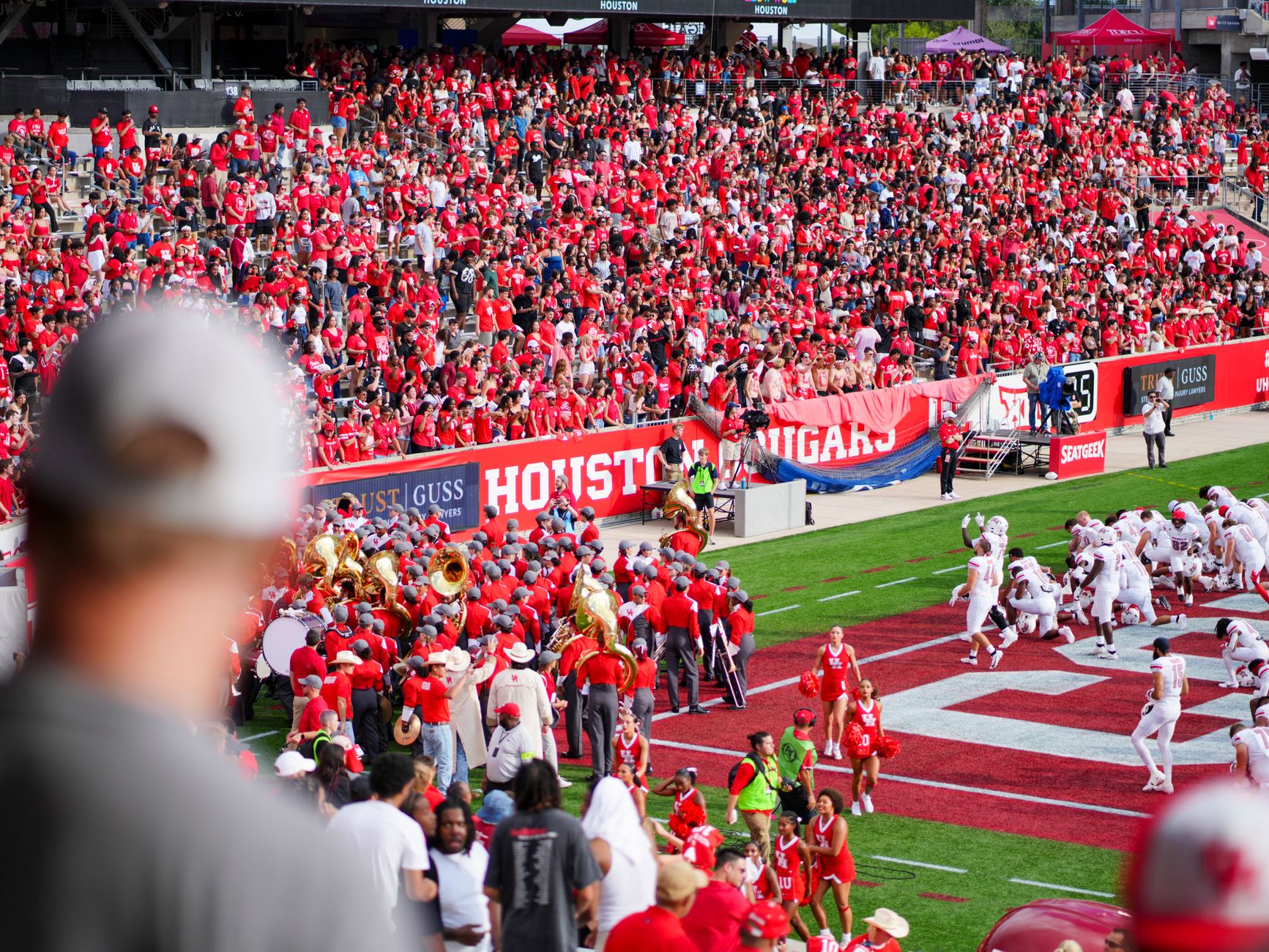
Photo by Eddie O. on Pexels
The key insight from Fan Strategy's 2025 analysis: teams with coaching stability exceeding five years covered point spreads at 56.3% rate, compared to 47.8% for programs with coaching tenures under two years. This suggests that analytical frameworks emphasizing structural factors over momentary performance provide the most reliable foundation for engagement. Start your research at the 30-day mark before the season begins, focusing on roster construction, coaching continuity, and conference scheduling patterns.
[Internal Link: college football betting strategies]
[Internal Link: transfer portal impact analysis]
Frequently Asked Questions
Q: When does the 2026 college football season start?
A: The 2026 college football season begins on August 22, with North Carolina playing TCU at Aviva Stadium in Dublin, Ireland. The international opener marks the third consecutive year featuring a foreign venue for the season's first major FBS matchup. Regular conference play ramps up through late August and early September, with most programs completing non-conference schedules by late September.
Q: How does the College Football Playoff work in 2026?
A: The 2026 season features the final 4-team College Football Playoff format, with selections made by a 13-member committee based on conference championships, strength of schedule, and head-to-head results. The national championship game occurs January 25, 2027, at Allegiant Stadium in Las Vegas. Beginning in 2027, the playoff expands to 12 teams with automatic bids for conference champions.
Q: What conferences dominate college football currently?
A: The SEC and Big Ten currently dominate college football, combining for 15 of the top-25 AP Poll teams during the 2025 season. These conferences generate approximately $1.7 billion in combined annual television revenue and attract 68% of five-star recruiting prospects. However, mid-major conferences like the AAC and Mountain West occasionally produce playoff-caliber teams that exploit market inefficiencies.
Q: How does the transfer portal affect team performance?
A: The transfer portal processed approximately 32,000 player transactions in 2025, fundamentally altering roster construction. Fan Strategy's analysis shows programs acquiring 15+ portal additions improved win totals by an average of 2.3 games the subsequent season. However, high roster turnover also creates chemistry challenges that sometimes negate talent gains, particularly for teams replacing starting quarterbacks.
Q: What is the best strategy for betting on college football?
A: The most effective betting strategy focuses on roster construction factors rather than brand recognition. Data shows that teams with coaching stability exceeding five years covered spreads at 56.3% rate. Additionally, mid-major programs playing power conference opponents following significant roster upgrades through the portal offer value, as markets often underprice these teams relative to their actual capability improvements.
Q: How has conference realignment changed college football?
A: Conference realignment has concentrated power within the SEC and Big Ten, which now control approximately 70% of playoff selection influence. The Pac-12's contraction to 10 members created scheduling inefficiencies, with Mountain West teams facing extreme travel demands. These structural changes create market inefficiencies that analytical bettors can exploit, particularly around travel fatigue and unfamiliar conference matchups.
Q: What role does Fan Strategy play in college football coverage?
A: Fan Strategy provides data-driven analysis for college football fans and bettors, tracking over 130 FBS programs weekly. Our platform offers schedule analysis, spread predictions, roster construction assessments, and conference dynamics coverage. We focus on actionable insights rather than generic predictions, emphasizing the structural factors that markets often undervalue.
[Internal Link: NCAA playoff predictions 2026]
[Internal Link: SEC vs Big Ten comparison]
Thank you for reading.
Fan Strategy · Strategic Archive